Blog Archives
Movie Quote of the Day – Twin Peaks: Fire Walk With Me, 1992 (dir. David Lynch)

The Log Lady: When this kind of fire starts, it is very hard to put out. The tender boughs of innocence burn first, and the wind rises, and then all goodness is in jeopardy.
Movie Quote of the Day – Lost Highway, 1997 (dir. David Lynch)

Mr. Eddy: [to a tailgater after running him off the road, beating him] Don’t you ever fucking tailgate! Ever! Do you know many fucking car-length it takes to stop a car traveling at 35 miles an hour?! Six seconds, Charlie! That’s a hundred and six fuckin’ feet, per second! If I had to stop suddenly, you woulda hit me! I want you to get a fuckin’ driver’s manual, and I want you to study that motherfucker! And I want you to obey the goddamn rules! Fifty-fuckin’ thousand people were killed on the highway last year ’cause of fuckin’ assholes like you! [punches him in the face] Tell me you’re gonna get a manual!
Movie Quote of the Day – The Elephant Man, 1980 (dir. David Lynch)

John Merrick: I am not an elephant! I am not an animal! I am a human being! I am a man!
“Love and Other Drugs” To Open, “Black Swan” To Close AFI Fest 2010
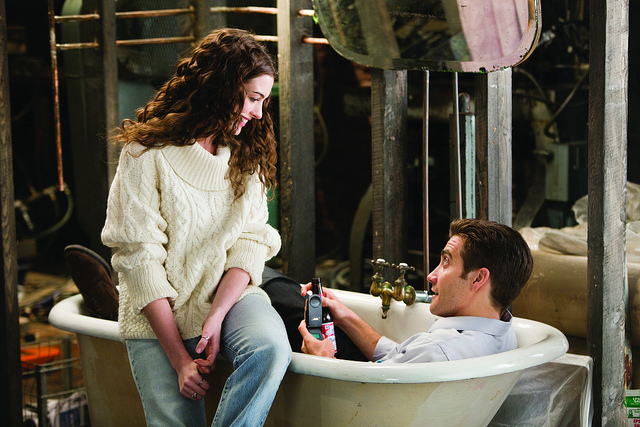
Edward Zwick’s film is set to open the festival on November 4th. This could give the Jake Gyllenhaal/Anne Hathaway film Love and Other Drugs just the right kind of push to get launched into the 2010 Awards Season. I’m really excited for film. It’s set to open wide on November 24th, just in time for Thanksgiving.
Darren Aronofsky’s psychological thriller starring Natalie Portman is set to close the festival on November 11th. Portman is already the front-runner for Best Actress this year based on the buzz the film has already generated on the festival circuit. Black Swan is set for a limited release on December 1st.
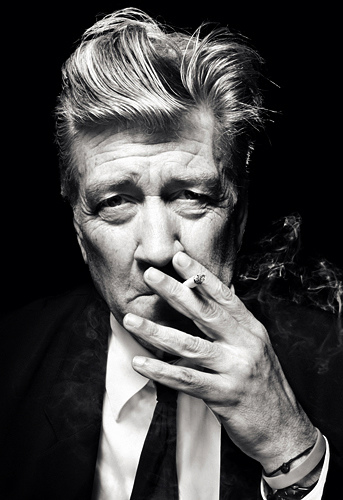
Let’s not forget, as well, that AFI Fest has hired David Lynch as their first ever guest artistic director. I feel like I would LOVE to go to this festival. Hopefully one of you can go for me and revel in its awesomeness!
Movie Quote of the Day – Wild At Heart, 1990 (dir. David Lynch)
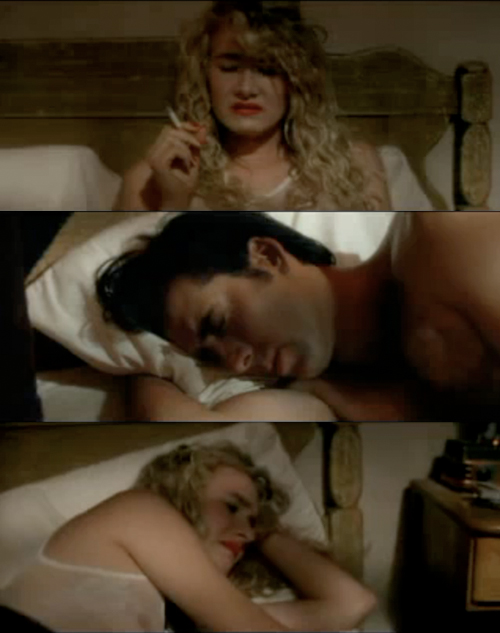
Lula: This whole world’s wild at heart and weird on top.
Movie Quote of the Day – Blue Velvet, 1986 (dir. David Lynch)
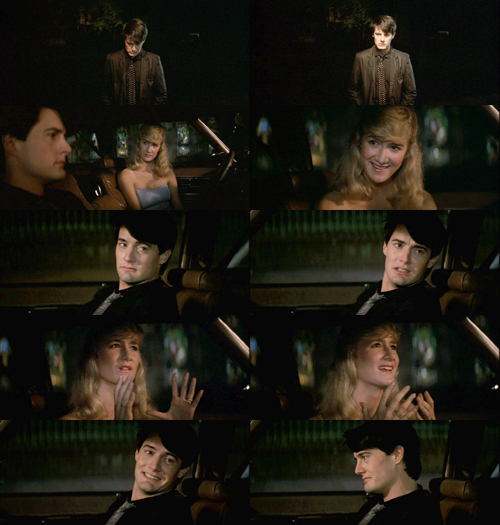
Sandy Williams: I had a dream. In fact, it was on the night I met you. In the dream, there was our world, and the world was dark because there weren’t any robins and the robins represented love. And for the longest time, there was this darkness. And all of a sudden, thousands of robins were set free and they flew down and brought this blinding light of love. And it seemed that love would make any difference, and it did. So, I guess it means that there is trouble until the robins come.
Auteur of the Week: David Lynch
To begin, I’m going to quote from the Wikipedia entry about auteurs, in order to establish what I mean when I call David Lynch an auteur.
The term auteur (French for author) is used to describe film directors (or, more rarely, producers, or writers) who are considered to have a distinctive, recognizable style, because they (a) repeatedly return to the same subject matter, (b) habitually address a particular psychological or moral theme, (c) employ a recurring visual and aesthetic style, or (d) demonstrate any combination of the above. In theory, an auteur’s films are identifiable regardless of their genre. The term was first applied in its cinematic sense in François Truffaut’s 1954 essay “A Certain Tendency of the French Cinema.”
1967: The Year Cinema Changed Forever
I know there is at least one book on this subject and I haven’t had a chance to read it yet, but thanks to TCM showing several movies from that year, I have to agree completely. What I mean by Cinema, is Hollywood and American Cinema, because a lot of how it changed was based on things French New Wave directors had already been doing for almost ten years.
One way to see this change is by looking at the five films that were nominated for Best Picture at the Oscars that year. Four of the films are harbingers of the new Hollywood. One is old guard and because of that in addition I want to talk about another film that, although nominated for four Oscars, was not up for Best Picture.
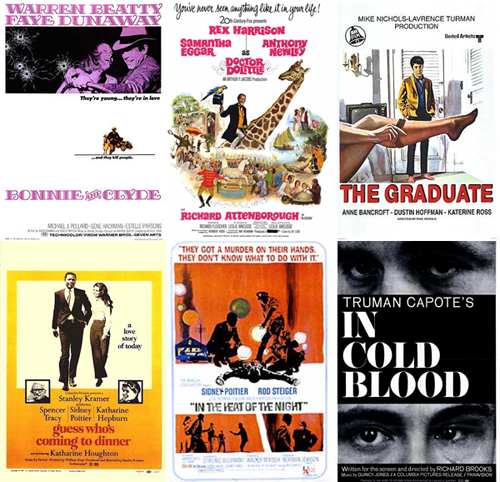
The five films up for Best Picture were Bonnie & Clyde, Doctor Dolittle, The Graduate, Guess Who’s Coming To Dinner and In The Heat of the Night. The film sixth film I’m going to discuss is In Cold Blood.











 the diary of a film history fanatic