Category Archives: Oscar Vault Monday
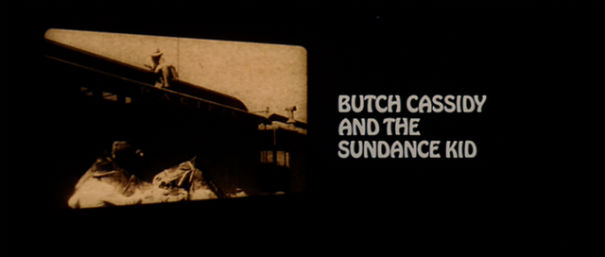
Oscar Vault Monday – Butch Cassidy and the Sundance Kid, 1969 (dir. George Roy Hill)
This was one of the first films I remember seeing as a child as well as one of the first I remember seeing multiple times. It was a favorite of both of my parents (and presumably still is). It’s also one of the most beloved films of all time. Currently it ranks #152 on the IMDb’s user rating generated Top 250. Butch Cassidy and the Sundance Kid is on several of the American Film Institute’s lists: 100 Years… 100 Movies – #50, 100 Years… 100 Movies (10th Anniversary Edition) – #73, 100 Years… 100 Thrills – #54100 Years… 100 Heroes and Villains: Butch Cassidy And The Sundance Kid – #20 Heroes and the 10 Top 10 – #7 Western Film. In 2003 the film was selected for preservation in the United States National Film Registry by the Library of Congress. It was nominated for seven Academy Awards, winning four: Best Sound, Best Cinematography (won), Best Score (won), Best Song (won), Best Original Screenplay (won), Best Director and Best Picture. Surprisingly neither Paul Newman nor Robert Redford were nominated for Best Actor. The winner in 1969, Midnight Cowboy, was also nominated for seven Academy Awards, and actually won less awards than Butch Cassidy; it won Adapted Screenplay, Director and Picture (both its leads were nominated, but lost Best Actor to John Wayne in True Grit). The other films nominated that year were Anne of the Thousand Days, Hello, Dolly! and Z (which won film editing – often an award that aligns with Best Picture, and Best Foreign Language Film).
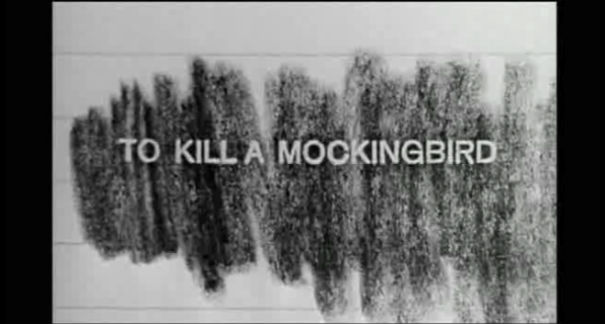
Oscar Vault Monday – To Kill A Mockingbird, 1962 (dir. Robert Mulligan)
1962 is a tough year to talk about because two of the greatest and most beloved films of all-time came out that year: Lawrence of Arabia and To Kill A Mockingbird; both were nominated for Best Picture. I feel the need to mention a few other amazing films from that year that weren’t up for the top prize: Birdman Alcatraz, Days of Wine and Roses, Whatever Happened to Baby Jane?, Long Day’s Journey Into Night, Sweet Bird of Youth, The Manchurian Candidate and Lolita. Also four films that I haven’t yet seen, but have been meaning to: Divorce Italian Style, Last Year At Marienbad, Through a Glass Darkly and The Miracle Worker. The other three films nominated for Best Picture that year were: The Longest Day, The Music Man and Mutiny on the Bounty. I love The Longest Day and have yet to see The Music Man, but I must say the 62 remake of Mutiny on the Bounty has not aged well at all and is waaaay longer than it has any right to be. I guess my point is that 1962 was one heck of year for film and you owe it to yourself to get to know some (if not all) of these great films. This is not a “the Academy got it wrong” post; this is a “how were they even able to choose?!” post. To Kill A Mockingbird was nominated for eight Academy Awards and won three: Best Score, Best B&W Cinematography, Best B&W Art Direction (won), Best Adapted Screenplay (won), Best Supporting Actress Mary Badham, Best Director, Best Actor Gregory Peck (won), Best Director and Best Picture.
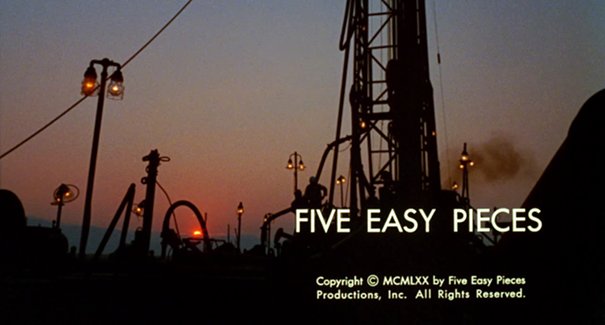
Oscar Vault Monday – Five Easy Pieces, 1970 (dir. Bob Rafelson)
This is such a fantastic film. It would be an interesting companion piece to another Nicholson film from the era – Mike Nichol‘s 1971 film Carnal Knowledge. Both films are sort of America’s answer to Britain’s “Angry Young Man/Kitchen Sink” dramas from a decade earlier. There are probably earlier films that fit that bill as well. What’s interesting to me is that they take a look at a new sort of angst that rose out of the sixties and has never really left – an angst that found its roots in the emerging teenager of the 50s (more on that in a bit). This is definitely one of Nicholson’s best performances and a must for any fan. The film was nominated for four Academy Awards, though it didn’t win any: Best Original Screenplay, Best Supporting Actress Karen Black, Best Actor Jack Nicholson, Best Picture. The other films nominated for Best Picture that year were Airport, Love Story, MASH and winner Patton.
Oscar Vault Monday – The Heiress, 1949 (dir. William Wyler)
The Heiress is a kind of movie that was very popular in classic era Hollywood and isn’t really made that often anymore. I mean, we get lots of period pieces ever year, but they often feel stuffy and/or Oscar-baity. What made the period dramas of this era so great is they feel modern, as in they felt modern at the time. And in doing so they still feel modern today. The Heiress or Jezebel or The Little Foxes feel as modern as any of their non-period contemporaries. I wish Hollywood could figure out how to do that again. I think Jane Campion came pretty close with The Piano. The Heiress was nominated for eight Academy Awards, winning four: Best B&W Art Direction-Set Decoration (won), Best B&W Costume Design (won), Best Score (won), Best B&W Cinematography, Best Supporting Actor Ralph Richardson, Best Actress Olivia de Havilland (won), Best Director William Wyler and Best Picture. The other films up for Best Picture that year were Battleground, A Letter to Three Wives, Twelve O’Clock High and winner All The King’s Men.

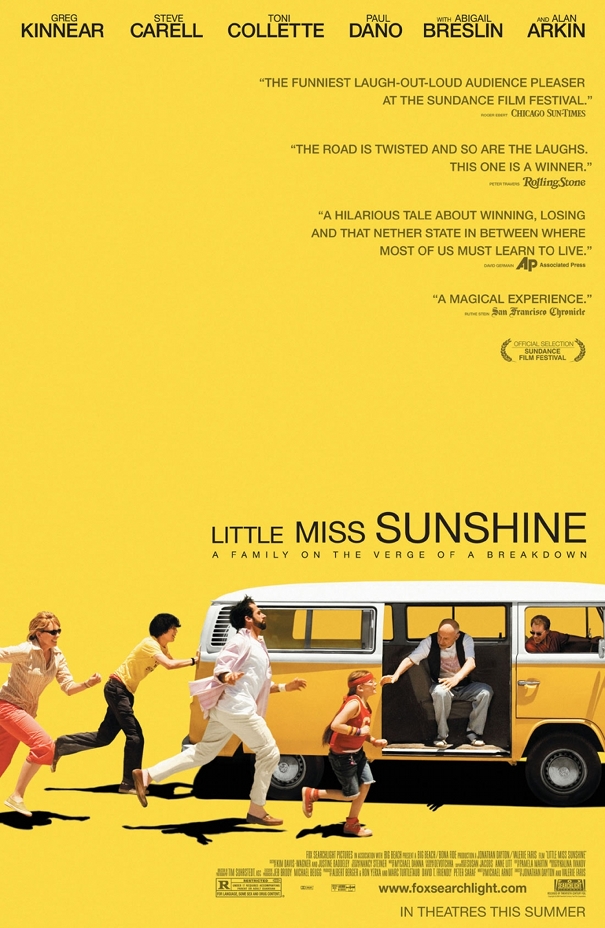
Oscar Vault Monday – Little Miss Sunshine, 2006 (dir. Jonathan Dayton, Valerie Faris)
2006 is one of my least favorite Oscar years in the last decade. Mostly because I think Children of Men was the best film to come out that year and although it got a few tech nominations, I think it deserved a Best Picture nod over several of the nominees that year. That’s why I’ve waited so long to write about this year. As it happens, I don’t love any of the nominees from 2006 (and actively dislike one of them, in fact.) But I do like Little Miss Sunshine, thus I am writing about it. I think this film is more about the performances than it is the story. I mean, it has a fun story, but it is weak in more places than people like to mention. The performances, however, I think are flawless. Although, I guess the Academy disagrees with me because it won for its screenplay. Go figure. The film was nominated for four Academy Awards, winning two: Best Original Screenplay (won), Best Supporting Actor Alan Arkin (won), Best Supporting Actress Abigail Breslin, Best Picture. The other films nominated for Best Picture that year were: Babel, Letters From Iwo Jima, The Queen and winner The Departed.
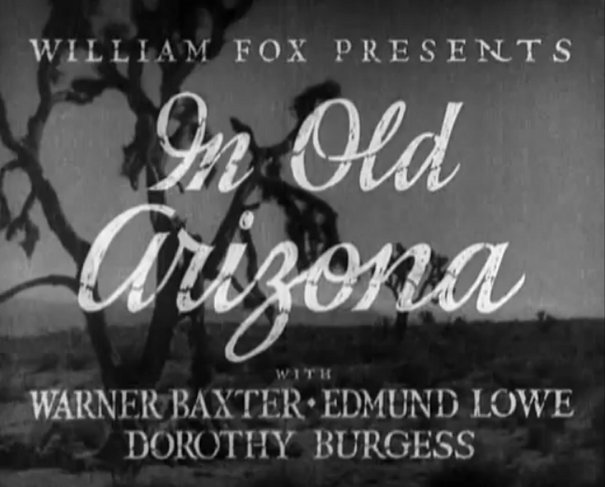
Oscar Vault Monday – In Old Arizona, 1928 (dir. Irving Cummings)
This film was advertised as “100% All-Talking” and its tagline was “You Hear What You See While Enjoying In Old Arizona.” This film was a real game-changer in several aspects. It was the first major studio western to use sound technology and the first talkie to be filmed outdoors. They filmed it in Bryce Canyon National Park and Zion National Park in Utah and the San Fernando Mission and the Mojave Desert. I’ve got several beautiful shots from it that I will share later on. Also, Raoul Walsh was supposed to direct and star in this film, but a jackrabbit jumped through a windshield of a vehicle he was driving, Walsh lost an eye and had to abandon the project. I always wanted to know why Walsh wore an eye-patch. A jackrabbit in the eye is kind of fantastic. I wonder if those Monty Python boys knew about that? In Old Arizona was nominated for five Academy Awards, winning one: Best Writing, Best Cinematography, Best Actor Warner Baxter (won), Best Director and Best Picture. The other films nominated for Best Picture that year were: Alibi, The Hollywood Revue of 1929, The Patriot (this Ernst Lubitsch film is considered a lost film) and winner The Broadway Melody. I must point out, however, that at this ceremony, the 2nd ever, there were no official nominees announced, just the winners. Research by AMPAS has resulted in an unofficial list of nominees based on records of which films were evaluated by the judges. It’s also the only year where no movie won more than one Oscar.
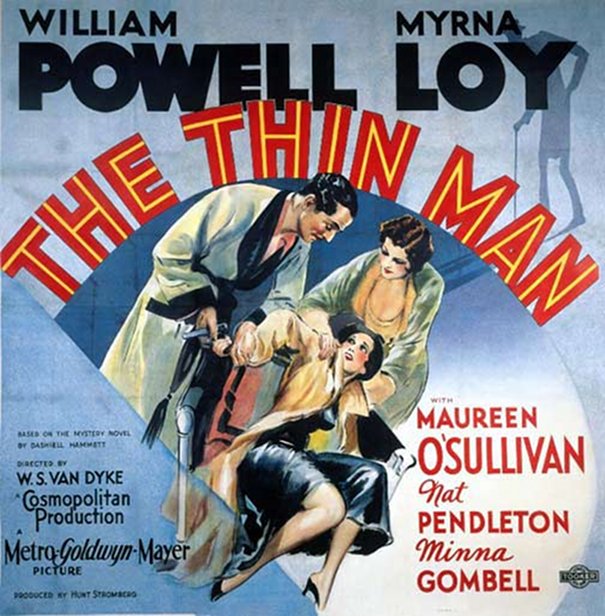
Oscar Vault Monday – The Thin Man, 1934 (dir. W. S. Van Dyke)
I first saw The Thin Man late on a Saturday night on PBS when I was in high school. I caught it from the very beginning (rare when you’re flipping through the channels!) and I fell in love. That PBS station then showed the film’s sequels every subsequent Saturday. It was a magical six weeks. I still wish I owned The Thin Man DVD collection. William Powell and Myrna Loy made 14 films together including 1936’s Libeled Lady with Spencer Tracy and Jean Harlow. Powell and Loy have some of the best on-screen chemistry ever captured on film (hence their being paired together so many times), but nothing beats the work they did together as Nick and Nora Charles in The Thin Man. The film was nominated for four Academy Awards, though it didn’t win any: Best Adapted Screenplay, Best Actor William Powell, Best Director and Best Picture. The other films nominated for Best Picture that year were The Barretts of Wimpole Street, Cleopatra, Flirtation Walk, The Gay Divorcee, Here Comes the Navy, The House of Rothschild, Imitation of Life, One Night of Love, Viva Villa!, The White Parade and winner It Happened One Night. As you can see, there were TWELVE Best Picture nominees. Oddly enough, there were only three Best Actor nominees that year, four Best Actress nominees (Bette Davis was the fourth, a write-in) and three Best Director nominees (Van Dyke, Victor Schertzinger for One Night of Love and winner Frank Capra for It Happened One Night).
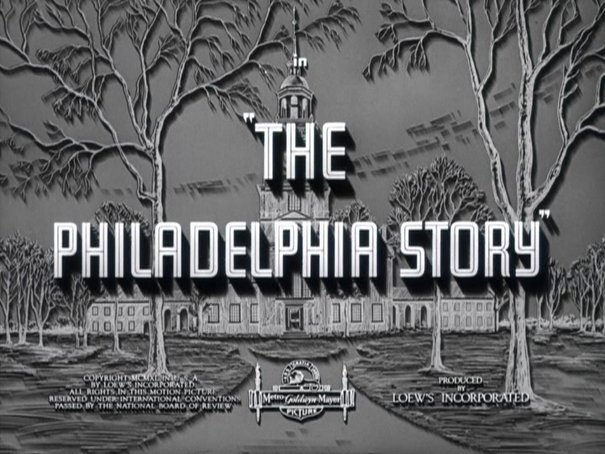
Oscar Vault Monday – The Philadelphia Story, 1940 (dir. George Cukor)
This was a hard year for me to pick just one film to talk about. Like 1939 before it, so many great films were up for Hollywood’s top prize in 1940. I decided to go with The Philadelphia Story, however, because I saw it on the big screen a few weeks ago and I fell in love with it even more than I already had been. It’s so perfectly written, acted, directed, paced, shot, everything. Truly one of the greatest films of Hollywood’s Golden Era – or ever, really. The film was nominated for six Academy Awards, winning two: Best Screenplay (won), Best Supporting Actress Ruth Hussey, Best Actress Katharine Hepburn, Best Actor Jimmy Stewart (won), Best Director and Best Picture. The other films nominated for Best Picture that year were: All This, and Heaven Too, Foreign Correspondent, The Grapes of Wrath, The Great Dictator, Kitty Folye, The Long Voyage Home, Our Town and winner Rebecca.
Oscar Vault Monday – The Killing Fields, 1984 (dir. Roland Joffé)
This is one of the most harrowing films I have ever seen. I think director Roland Joffé handled the film deftly, not being too sentimental or too hard. The film was nominated for seven Academy Awards, winning three: Best Cinematography (won), Best Film Editing (won), Best Adapted Screenplay, Best Supporting Actor Haing S. Ngor (won), Best Actor Sam Waterston, Best Director and Best Picture. The other films nominated for Best Picture that year were A Passage To India, Places In The Heart, A Soldier’s Story and winner Amadeus.
Site Update: The Oscar Vault Monday Shop is back!
California residents are allowed to operate Amazon aStores once again, which means your one-stop shop for all the films I’ve discussed for Oscar Vault Monday is back!
You can also access your Amazon wishlist through my aStore, so if you feel like buying something via Amazon and want to help me get some referral credit, that would be awesome as well.












 the diary of a film history fanatic